


No natural play makeup is guaranteed safe for every child with sensitive skin or eyes. Choose kids makeup for sensitive skin by checking the complete ingredient list, the intended application area and your child’s known triggers, rather than relying on a natural label. Keep makeup off irritated skin and away from the eyes, and ask your child’s clinician before use if they have eczema, diagnosed allergies or previous cosmetic reactions.
- Kids makeup for sensitive skin needs ingredient checks, not a natural label alone.
- Natural play makeup can still contain ingredients that trigger irritation or allergies.
- No Nasties Kids offers natural play makeup, but natural does not mean suitable for every sensitive child.
- Keep play makeup away from lash lines, irritated skin and sore eyes.
Which natural play makeup is safe for sensitive skin and eyes?
Choose by the individual formula and application instructions, not by a blanket promise of safety. Sensitive skin is not a single diagnosis. A child with fragrance allergy needs a different ingredient check from a child whose cheeks become sore after rubbing.
Use these 3 checks before choosing a product in 2026:
- Ingredients: Read the complete list and check for your child’s known allergens.
- Application area: Confirm whether the product is intended for cheeks, lips or the external eye area.
- Skin condition: Postpone makeup when skin is broken, inflamed or uncomfortable.
A cheek product is not automatically suitable for eyelids. A lip product belongs on lips, not wherever an enthusiastic little makeup artist decides needs extra sparkle.
For families exploring natural play makeup, No Nasties Kids offers that category. The same ingredient and application checks still apply to every product you consider.
Why this matters
The word natural describes something about ingredients or positioning. It does not tell you whether your child will tolerate a formula. Plant ingredients, fragrances and other cosmetic ingredients can cause reactions in susceptible people.
That distinction matters most when a child already has sensitive skin. A pretty compact should not turn playtime into an experiment on a sore cheek.
In 2026, the useful question is not simply whether makeup is natural. It is whether this particular formula suits this particular child and its intended use. You need the ingredient list and directions to answer that question.
Which play makeup format should you consider?
Choose the application area before choosing the colour. Keeping makeup away from sensitive eyes is a sensible boundary, even when a product is marketed for children.
The table compares play options, not allergy ratings. None of these formats guarantees that a child will avoid a reaction.
| Option | Best for | Practical advantage | Limitation |
|---|---|---|---|
| Cheek colour labelled for cheeks | Supervised cheek-only play on comfortable skin | Keeps the activity away from eyelids | Ingredients and rubbing can still irritate skin |
| Lip colour labelled for lips | Supervised lip-only play when lips are healthy | Gives the product a clearly defined application area | Flavours, fragrances or other ingredients can be triggers |
| Eye makeup labelled for the external eye area | Families whose child has no current eye symptoms and can follow directions | Provides instructions specific to that area | Eye-area suitability does not establish tolerance for sensitive eyes |
| Pretend play without cosmetics | Children with an active flare or unresolved reactions | Avoids applying a cosmetic to affected skin | Does not provide real colour application |
There is no need to progress through every format. If cheek-only play suits your household, stop there. A dressing gown and a dramatic salon voice can do plenty of the heavy lifting.
Cheek makeup: keep the application simple
Best for: supervised play away from the eyes, provided the skin is comfortable and the formula is suitable. Cheek colour offers a clearly defined application area without needing to work near the lash line.
Its limitation is straightforward: cheeks can still react. Avoid areas with eczema, scratches, sunburn or existing redness, and do not brush repeatedly over a patch that starts to sting.
Use the product only as directed. More colour is not a reason to press harder, and a brush should not become a tiny scrubbing brush.
For application technique, the guide to applying pressed powder blush with a powder puff for kids covers that specific activity. Ingredient suitability remains a separate decision from learning how to apply it.
Lip makeup: check flavour as well as colour
Best for: supervised lip-only play on healthy, unbroken lips. A lip product has a defined purpose, but that does not make every formula appropriate for a child with sensitivities.
Flavoured products deserve the same ingredient scrutiny as everything else. A familiar fruit name does not establish that a formula is free of your child’s allergens, and flavour is not permission to eat the product.
Skip lip makeup when lips are cracked, inflamed or sore. Do not share lip applicators between children, and follow the product’s hygiene and removal directions.
For your 2026 shopping checklist, make room for the complete ingredients rather than just the flavour name. The name is the fun bit. The ingredients are the decision-making bit.
Eye makeup: separate intended use from individual tolerance
Best for: children without current eye symptoms who can cooperate with supervised application, and only when the product is labelled for that area. If sensitive eyes are the main concern, leaving eye makeup out is the simpler choice.
A product intended for the external eye area is not intended for the inside of the eye. Keep makeup off the waterline and away from the lash roots, and prevent powder or applicators from entering the eye.
Do not use eye makeup around red, watering, itchy or sore eyes. An eye-area label is not evidence that a child with recurring eye symptoms will tolerate it.
Ask an optometrist or doctor about persistent symptoms before trying cosmetics again. Dress-up can carry on without eyelid colour; the imaginary audience will manage.
Why sensitivity varies between children
The important factors are individual, not a ranking of natural versus synthetic ingredients. Use these points to decide what needs checking:
- Known allergies: An ingredient that triggers your child remains a concern regardless of its source.
- Current skin condition: Broken or inflamed skin needs care, not another cosmetic layer.
- Fragrance and flavour: These deserve attention when your child has a relevant allergy or history of reactions.
- Application area: Cheeks, lips and eyelids are different places with different product directions.
- Application and removal: Rubbing, rough tools and vigorous cleaning can irritate skin independently of the formula.
- Hygiene: Shared applicators and poorly maintained tools introduce a separate concern from ingredient tolerance.
A natural claim is not an allergy test. Neither is a sibling’s good experience, a friend’s recommendation or a reassuring product review.
When you compare products in 2026, keep your child’s reaction history beside the ingredient list. That is more useful than choosing the longest list of reassuring front-label claims.
How do you introduce play makeup to sensitive skin?
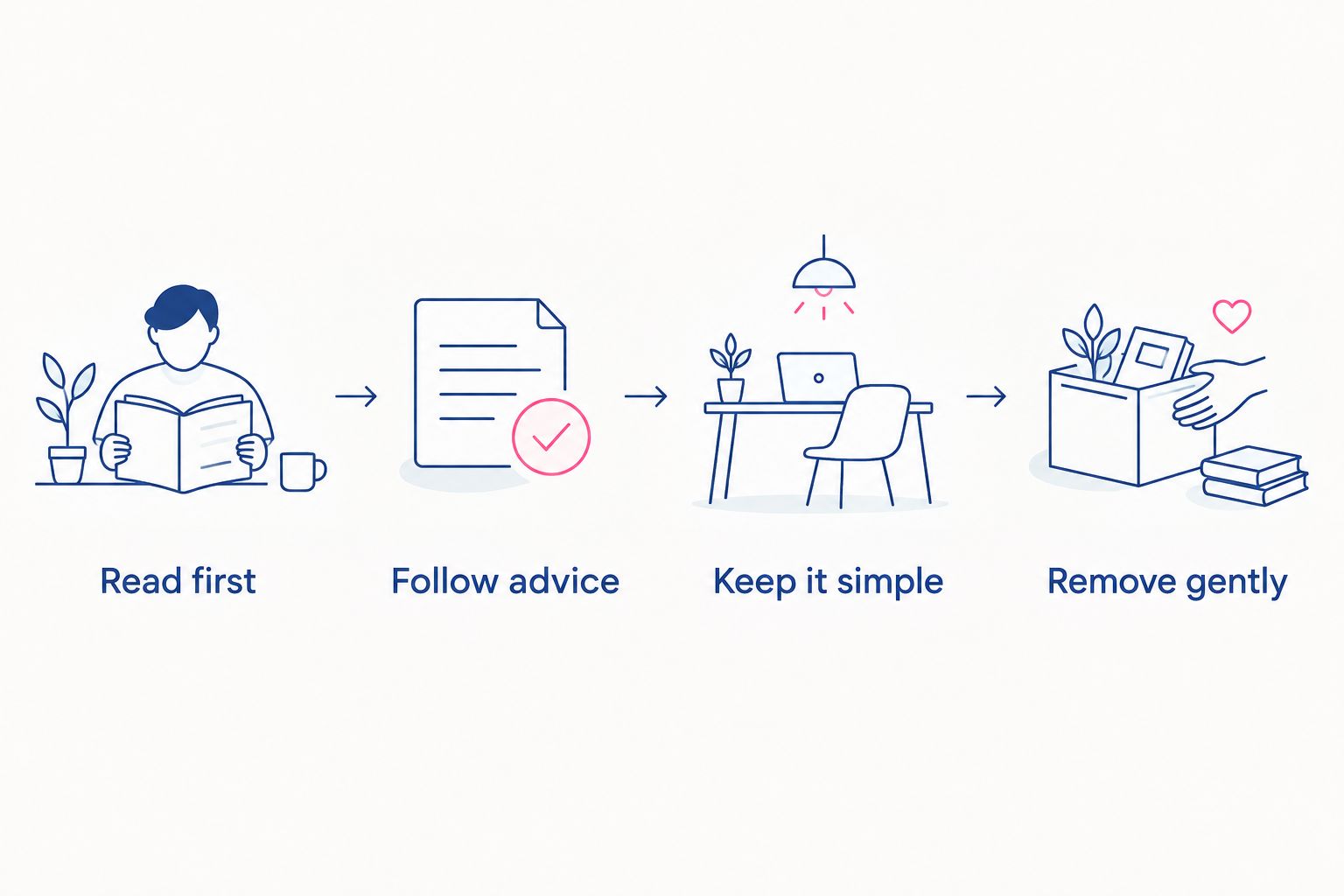
Use these 4 steps to keep the decision clear. For children with diagnosed allergies, eczema or previous reactions, ask their clinician what introduction process is appropriate before applying a new cosmetic.
Read first
Check the ingredients, directions, age guidance and warnings on the actual product. If you cannot confirm an ingredient that matters to your child’s allergy, do not guess from a product name or picture.
Check each item separately, including products sold together. A set does not turn different formulas into the same formula.
Follow advice
Follow the manufacturer’s instructions and any advice from your child’s clinician. If a clinician recommends a home use test, use their method rather than a social media shortcut.
A home test cannot guarantee that a product will never cause a reaction. Testing on an arm also does not establish that a product is suitable near the eyes.
Keep it simple
Introduce products separately rather than applying a whole collection at once. That makes it easier to identify what was used if discomfort develops.
Use clean tools and supervise the application. Let your child stop immediately, even if the makeover is only halfway through its grand artistic vision.
Remove gently
Follow the product’s removal directions and use a method your child already tolerates. Do not scrub stubborn colour or add an unfamiliar cleanser simply to finish the job faster.
If a product causes symptoms, stop using it. Keep the packaging and ingredient list for any discussion with a healthcare professional.
What should you do if makeup causes a reaction?
Stop using the product when discomfort starts. Do not cover redness with more makeup or keep going to see whether the sensation settles.
Gently remove the product according to its directions. If makeup enters an eye, rinse with clean water, avoid rubbing and seek medical advice if discomfort persists.
Get urgent medical attention for eye pain, vision changes or significant swelling. Breathing difficulty, collapse or swelling affecting the mouth or throat requires emergency help.
For a skin reaction, a pharmacist or doctor can advise on the next step. Do not retry the product just because the redness has disappeared; discuss suspected allergies or recurring reactions with a clinician.
Does non-toxic mean allergy-free?
Non-toxic does not mean allergy-free. A product description about toxicity does not establish whether an individual child will react to an ingredient.
The same caution applies to reassuring terms such as gentle or natural. Read what a claim actually says, then return to the formula and directions.
No Nasties Kids play makeup is best for families seeking natural kids play makeup, not a guarantee against sensitive-skin reactions. That distinction lets you consider the category without treating the brand name as medical clearance.
Can a child with eczema use natural play makeup?
A child with eczema needs individual advice, especially during a flare or after previous reactions. Do not apply makeup over active eczema, broken skin or areas being treated unless the treating clinician advises it.
When skin is settled, ask whether cosmetic play is appropriate and how to introduce a formula. Do not substitute an online recommendation for your child’s care plan.
There is no need to make skipping makeup feel like missing out. Costumes, storytelling and a pretend salon appointment still count as excellent play.
Is cheek makeup safer than eye makeup for sensitive eyes?
Cheek-only play keeps cosmetics away from the eyes, but it does not guarantee skin tolerance. You still need to check the cheek product’s ingredients and prevent transfer through rubbing or wandering fingers.
Set 2 boundaries before starting: makeup stays in the agreed application area, and play stops when something feels uncomfortable. Keep those boundaries more important than finishing the look.
FAQ
What's the best kids makeup for sensitive skin in 2026?
The best choice is a formula checked against your child’s known triggers and labelled for the intended application area. No natural label establishes universal safety, and children with eczema or previous reactions need individual advice.
Is natural play makeup always gentler than synthetic makeup?
Natural play makeup is not automatically gentler than makeup containing synthetic ingredients. Ingredients from either source can cause irritation or allergy in susceptible children.
Can I use kids blush as eyeshadow?
Do not use kids blush as eyeshadow unless the manufacturer explicitly labels it for that use. A product intended for cheeks is not automatically suitable for the external eye area.
Does a home patch test prove makeup is safe for my child?
A home patch test does not prove that makeup is safe for every use or application area. Follow manufacturer and clinician guidance, and do not treat an arm test as clearance for use near the eyes.
What should I do if my child says makeup stings?
Stop applying the makeup and gently remove it according to the product directions. Seek healthcare advice for persistent symptoms, and get urgent help for eye pain, vision changes or significant swelling.
Can children share makeup brushes during dress-up?
Give each child their own clean applicators rather than sharing tools during dress-up. Follow cleaning directions and avoid sharing lip applicators.
Is No Nasties Kids play makeup guaranteed not to cause allergies?
No natural play makeup should be treated as guaranteed not to cause allergies. Check each product’s ingredients against your child’s known triggers and follow its application instructions.
One last thing
Before opening the makeup, agree on a stop signal with your child. A simple word or raised hand lets them end the activity without needing to explain a sting, itch or uncomfortable sensation perfectly.
Your child’s comfort matters more than finishing the makeover. Make stopping an ordinary part of play, not a disappointment. The pretend salon can always close early.


